Austin Startup Resource
Startup resource guide
Registered shell only; no complete industry analysis yet.
Medical cannabis and hemp in Austin is a regulated compliance watch, not a simple storefront startup path. The practical question for a founder is not “Can I open a cannabis shop?” but “Which regulated model am I actually entering, which agency controls it, and what local Austin approvals must be solved before I sign a lease, buy inventory, or advertise products?”
Why this is a compliance watch
Texas separates low-THC medical cannabis activity, consumable hemp products, and industrial hemp production into different regulatory lanes. A medical cannabis dispensing organization path is controlled through the Texas Compassionate Use Program, while consumable hemp product manufacturing, distribution, and retail sale are handled through the Texas Department of State Health Services. Hemp cultivation and agricultural production sit with the Texas Department of Agriculture. Austin then adds the ordinary local questions every physical business faces: zoning, certificate of occupancy, change of use, building work, signs, food permits when products are edible or beverage-based, and inspection timing.
Because the state and local rules can change, this page should be treated as a starting map for due diligence, not legal advice or a substitute for counsel. Do not use this page to justify recreational cannabis sales, unlicensed medical cannabis dispensing, medical claims, or a lease commitment before agency-specific requirements have been checked.
Separate the business model before planning the launch
Low-THC medical cannabis
This is the highest-control lane. A founder should assume that dispensing activity is tied to the Texas Compassionate Use Program and DPS licensing requirements, not a general retail dispensary model. Treat application windows, ownership disclosures, security, inventory controls, physician registry workflows, and patient-facing claims as counsel-led topics.
Consumable hemp products
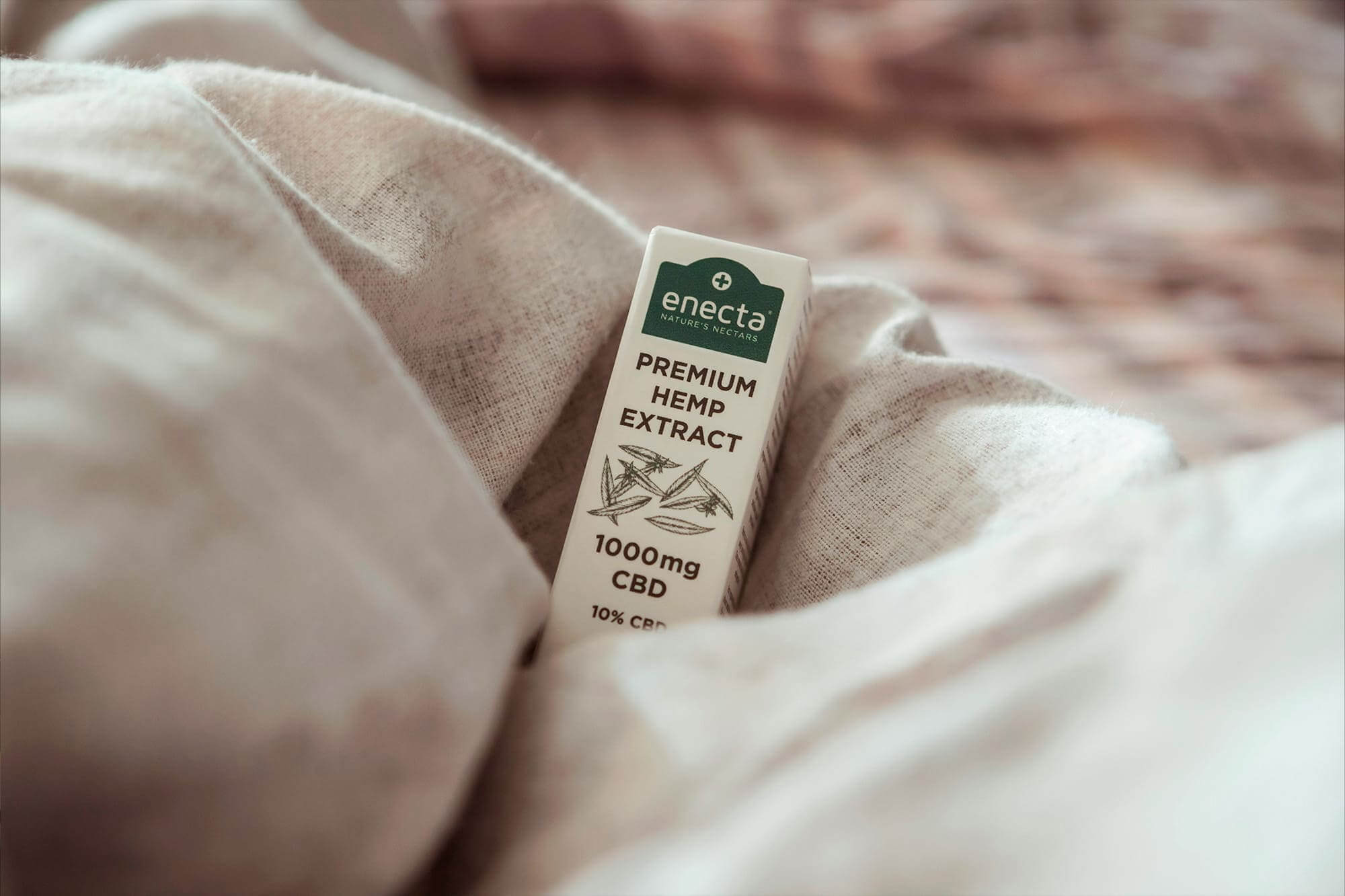
This includes many CBD or hemp-derived consumable products sold through retail, online, service, or delivery models. The first decision is whether the business is manufacturing, distributing, or only retailing products, because DSHS license and registration requirements differ by role and location.
Industrial hemp production
Growing or agricultural production is not the same as running an Austin retail shop. Producers should begin with the Texas Department of Agriculture industrial hemp program before making land, seed, testing, transport, or processing assumptions.
Austin checks before lease, buildout, or inventory
A regulated product does not remove ordinary Austin business requirements. A hemp retail, production, warehouse, or infused-product concept may still need a compliant commercial use, a certificate of occupancy or change-of-use path, plan review for buildout, trade permits, sign approvals, health review when food or beverages are involved, and documentation that the proposed use is allowed at the specific address.
The most expensive mistake is sequencing these steps backward. A founder who signs a lease first may discover that the site needs a change of use, cannot support the planned operation, needs additional inspections, or creates a landlord/tenant conflict around regulated inventory, odor, security, labeling, or delivery.
Founder path for an Austin cannabis or hemp concept
-
Step 1Classify the model.
Write down whether the business is medical cannabis dispensing, consumable hemp retail, consumable hemp manufacturing or distribution, online sales, delivery, agriculture, white-label product development, or a professional service supporting the sector. The classification determines the agency path.
-
Step 2Match the model to the controlling agency.
Use DPS for Texas Compassionate Use Program questions, DSHS for consumable hemp product licensing or retail registration, TDA for industrial hemp production, and City of Austin sources for the local building, occupancy, health, and zoning layer.
-
Step 3Check the site before signing.
Ask whether the property use, certificate of occupancy, change-of-use path, food or beverage activity, signage, security work, and landlord restrictions fit the planned model. Do this before paying for inventory or fixtures.
-
Step 4Document product and claim controls.
For consumable hemp, build a file for supplier records, certificates of analysis, labeling, age or sales controls when required, advertising claims, online sale rules, and complaint handling. Avoid medical claims unless counsel has cleared the exact language.
-
Step 5Set a review calendar.
Assign an owner to monitor DPS, DSHS, TDA, court, legislative, and City of Austin updates. This industry should not be run from a one-time checklist because licensing windows, product rules, enforcement posture, and local permit interpretation can shift.
Red flags that should pause the launch
- The business plan describes a recreational cannabis dispensary in Austin without a clear Texas legal pathway.
- The lease is signed before confirming certificate of occupancy, use, buildout, and landlord restrictions.
- The product plan depends on smokable, edible, beverage, or delivery assumptions that have not been checked against current DSHS and Austin requirements.
- The marketing plan uses medical, therapeutic, or disease-related claims without legal review.
- The founder cannot identify whether DPS, DSHS, TDA, Austin Development Services, or Austin Public Health controls the next approval.
Questions to answer before spending serious money
Before moving from idea to lease or launch budget, create a one-page compliance memo that answers: What product or service will be offered? Who supplies or manufactures it? Which license or registration applies? Which location will operate? Does the Austin site already have the right use and certificate of occupancy? Is food or beverage activity involved? What records will be kept? Who is responsible for label, claim, age-control, security, and recall procedures?
For many Austin founders, the safest near-term opportunity may be a compliant hemp retail, professional service, software, logistics, packaging, legal, accounting, insurance, real estate, or operations-support model rather than a plant-touching medical cannabis business. The right answer depends on current agency rules and the founder’s risk tolerance.
When this page should be refreshed
Refresh this guide whenever DPS opens or changes a Compassionate Use Program licensing window, DSHS updates consumable hemp rules or guidance, TDA updates industrial hemp production requirements, a Texas court or legislature changes the treatment of hemp-derived products, or City of Austin permitting guidance changes for occupancy, food, retail, warehouse, manufacturing, or delivery activity.